
Finding the Best Discount 3 Phase Generator Price for Your Power Needs
Finding the Best Discount 3 Phase Generator Price
When seeking a reliable power source for industrial, commercial, or even residential applications, a 3 phase generator is often the ideal solution. However, the cost can be a significant factor. This article will guide you through understanding the factors impacting 3 phase generator prices, how to find discounts, and what to look for when making your purchase. We'll explore the different types, power outputs, and features available to help you get the best value for your investment. Finding a reliable generator at the right price requires careful consideration.
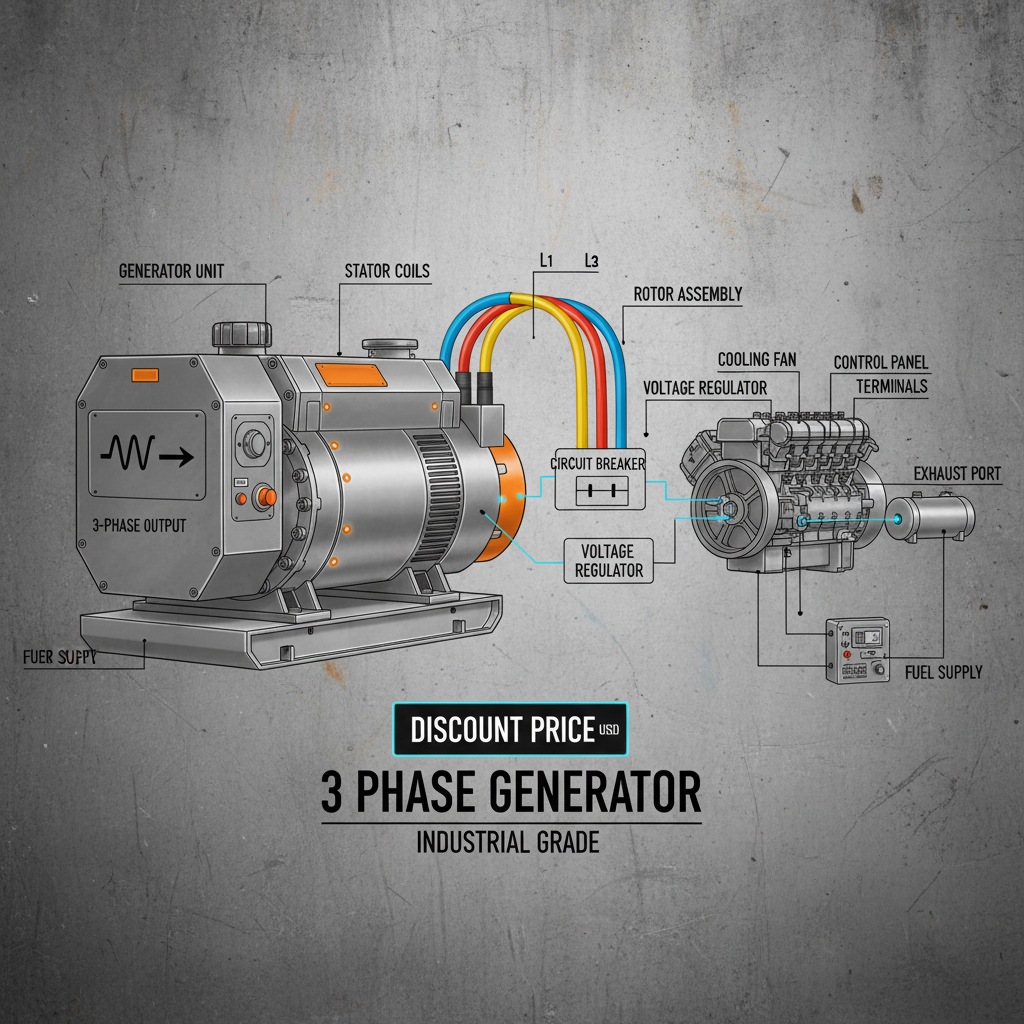
Factors Influencing 3 Phase Generator Price
Several key factors determine the price of a 3 phase generator. The most significant is the power output (measured in kVA or kW). Higher output generators, capable of powering larger operations, naturally command a higher price. Another crucial factor is the brand reputation; established manufacturers known for quality and reliability typically charge more. The type of engine – diesel, gas, or propane – also affects the price, with diesel generators generally being more expensive upfront but offering better fuel efficiency and longevity. Finally, additional features like automatic voltage regulation (AVR), remote start capabilities, and soundproof enclosures will add to the overall cost. Understanding these factors empowers you to make an informed decision based on your specific needs and budget.
Key Considerations: Power output, brand reputation, engine type, and additional features all significantly influence the final price.
Types of 3 Phase Generators and Their Price Ranges
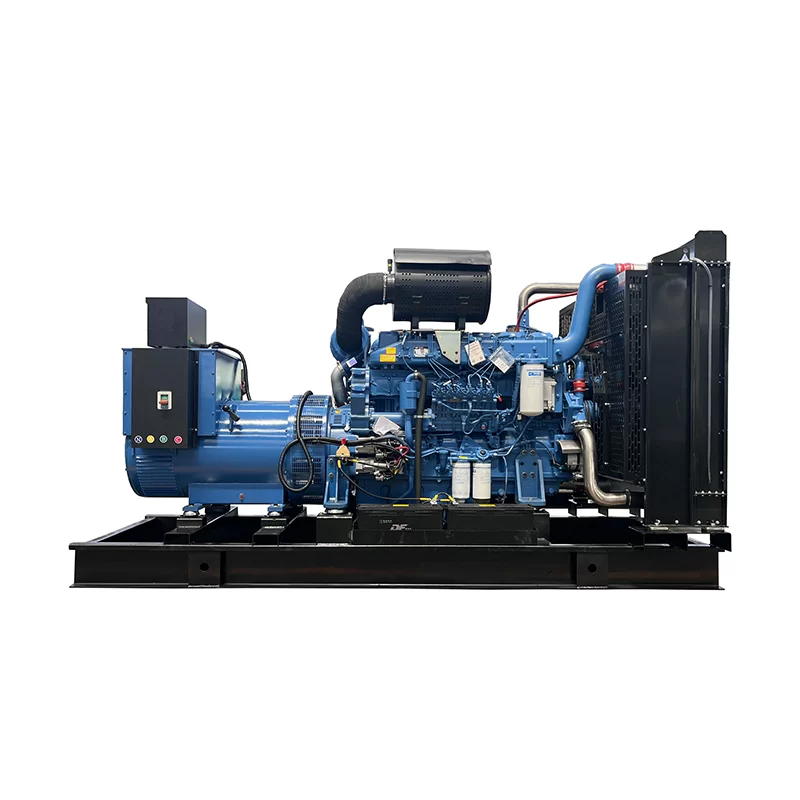
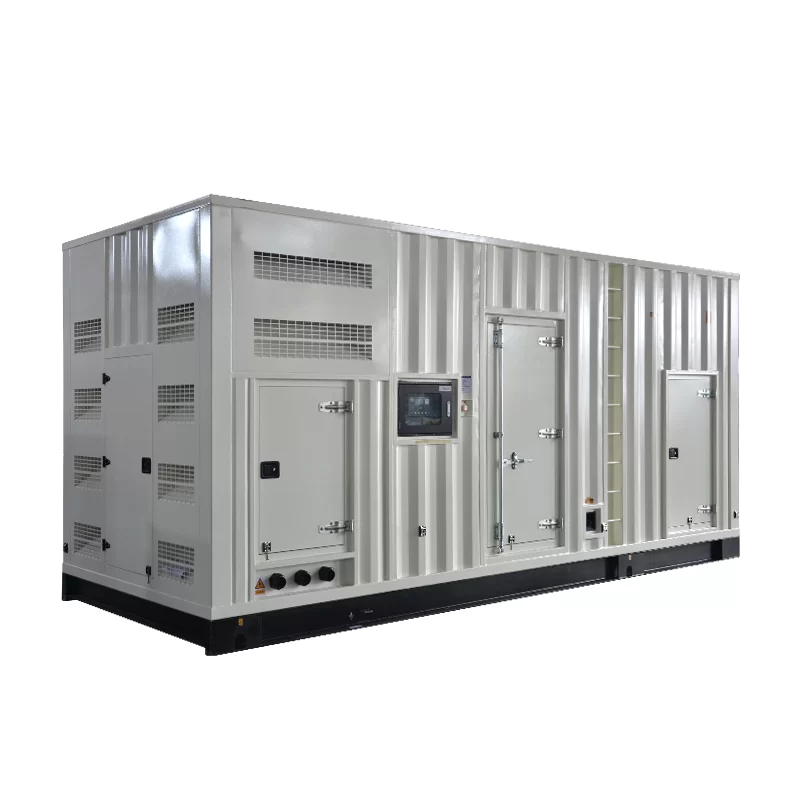
Different types of 3 phase generators cater to diverse applications and come with varying price points. Diesel generators are renowned for their durability and fuel efficiency, making them ideal for continuous power needs. Gas generators are generally more affordable upfront but may have higher operating costs. Propane generators offer a cleaner-burning alternative, suitable for indoor applications with proper ventilation. Within each type, you'll find portable, stationary, and industrial-grade models, each with its own price range. Choosing the right type depends on your power requirements, budget, and environmental concerns. KC Generator offers a wide range of options to suit all needs.
Generator Type Breakdown:
• Diesel: High durability, fuel efficiency, higher upfront cost
• Gas: Lower upfront cost, higher operating costs
• Propane: Cleaner burning, suitable for indoor use with ventilation
Where to Find Discount 3 Phase Generator Prices
Finding a discount on a 3 phase generator requires a bit of research. Directly contacting manufacturers like KC Generator can often yield better pricing than going through retailers. Seasonal sales and promotions are common, especially during the off-peak seasons. Comparing quotes from multiple suppliers is essential. Don’t hesitate to negotiate; many suppliers are willing to offer discounts, particularly for bulk purchases. Finally, consider refurbished or demo units – these can offer significant savings, but ensure they come with a warranty.
Essential Features to Consider in a 3 Phase Generator
Beyond the price, consider the features that will impact your generator’s performance and longevity. Automatic Voltage Regulation (AVR) is critical for protecting sensitive electronic equipment from voltage fluctuations. Low oil shutdown prevents engine damage by automatically shutting down the generator when oil levels are low. Remote start capability offers convenience and allows for easy operation. A robust control panel with clear indicators and easy-to-use controls is essential for monitoring and managing the generator. Finally, consider the level of noise reduction if the generator will be used in a noise-sensitive environment.
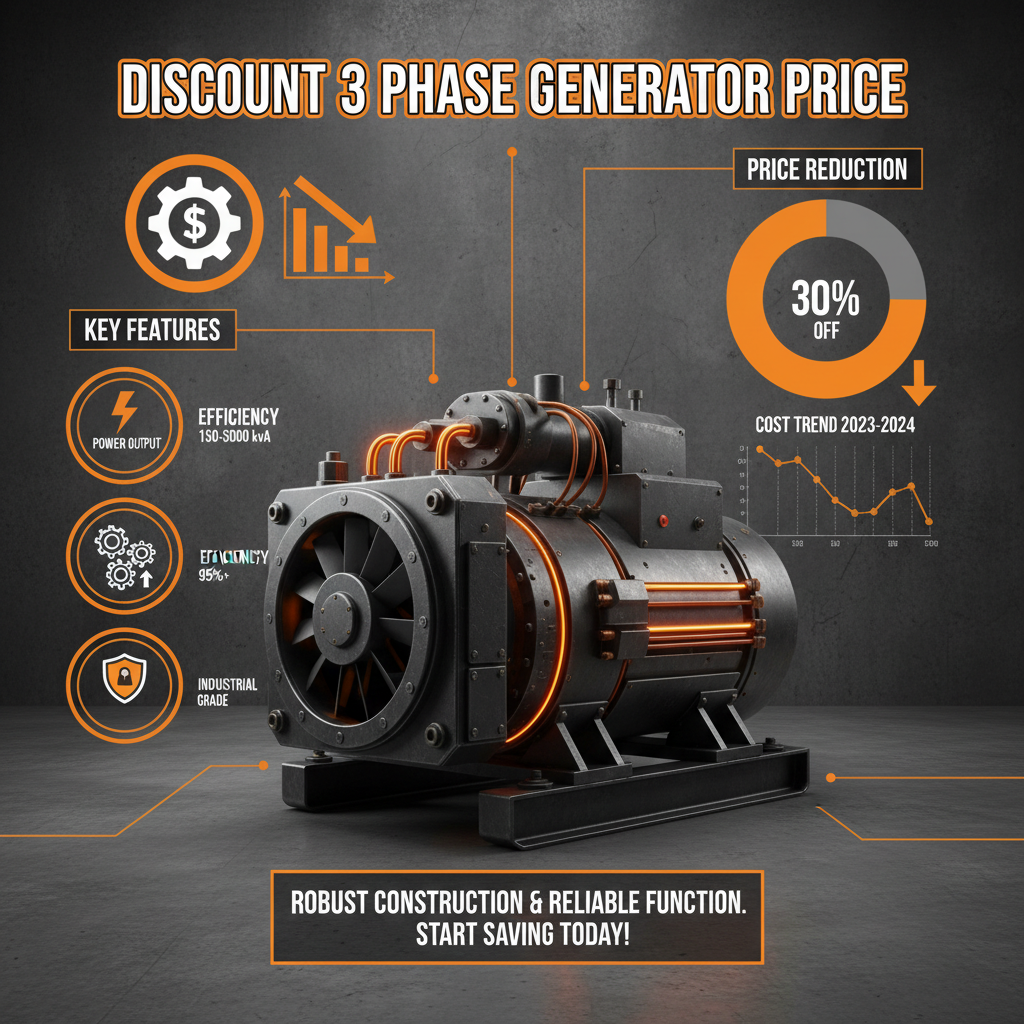
Choosing the Right Generator: A Checklist
Before finalizing your purchase, use this checklist to ensure you’re selecting the right 3 phase generator: 1. Determine your power requirements: Calculate the total wattage needed to power all your intended loads. 2. Choose the appropriate engine type: Diesel, gas, or propane based on your application and budget. 3. Consider essential features: AVR, low oil shutdown, remote start, etc. 4. Compare quotes from multiple suppliers. 5. Check warranty and after-sales support. 6. Read customer reviews. By following these steps, you can confidently secure a discount 3 phase generator that meets your needs and delivers reliable performance.
Conclusion: Finding Value in 3 Phase Generator Purchases
Securing the best 3 phase generator price requires careful planning and research. By understanding the factors that influence cost, exploring discount opportunities, and prioritizing essential features, you can make a smart investment that delivers reliable power for years to come. Don't hesitate to contact experts at KC Generator for personalized guidance.
Frequently Asked Questions (FAQs)
What size generator do I need for my business?
Determining the right size generator involves calculating the total wattage of all equipment you need to run simultaneously. Add up the wattage requirements of each device, and then add a 20-25% buffer to account for starting wattage (some devices require more power to start up). Consider future expansion needs as well. If you're unsure, it’s always better to err on the side of a slightly larger generator than one that is undersized. KC Generator’s experienced team can assist with sizing calculations.
How long can a 3 phase generator run continuously?
Most industrial-grade 3 phase generators are designed for continuous operation (24/7). However, regular maintenance is crucial to ensure reliable performance. This includes oil changes, filter replacements, and inspections of all critical components. Always follow the manufacturer's recommendations for maintenance intervals. Some smaller or portable generators may have limitations on continuous run time and may require cooling-off periods.
What is the difference between kVA and kW?
kVA (kilovolt-amperes) represents the apparent power, while kW (kilowatts) represents the real or active power. kW is the actual power your equipment uses to perform work. kVA is affected by the power factor of your loads. A power factor of 1 means kVA equals kW. However, most loads have a power factor less than 1, meaning kVA is higher than kW. When sizing a generator, you need to consider both kVA and kW, but kW is the more critical factor for determining if the generator can handle your load.
-
 Apr 17, 2026
 -
 Apr 16, 2026
 -
 Apr 09, 2026
 -
 Apr 08, 2026


