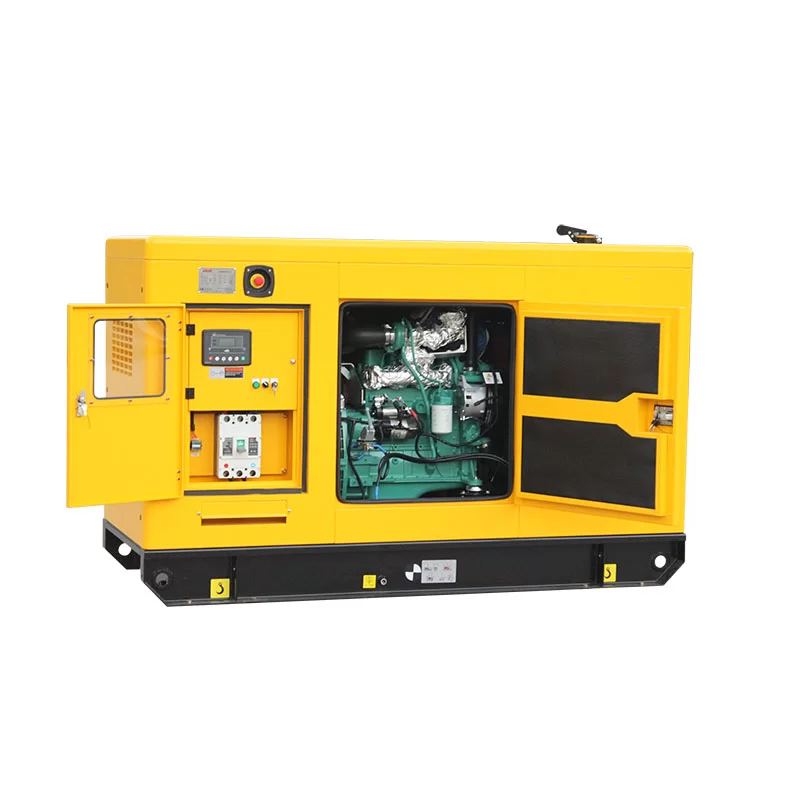
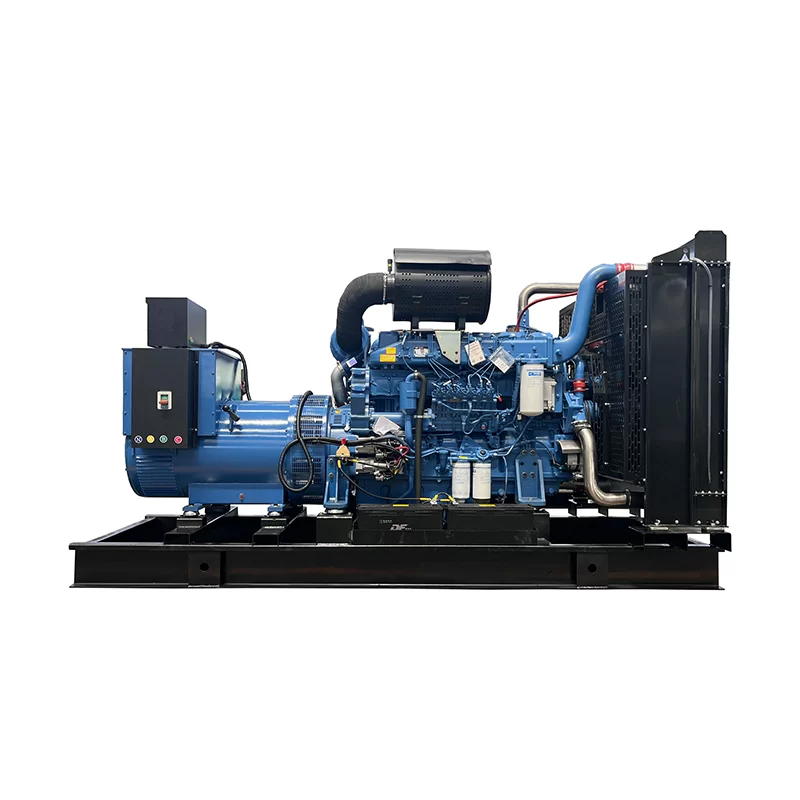
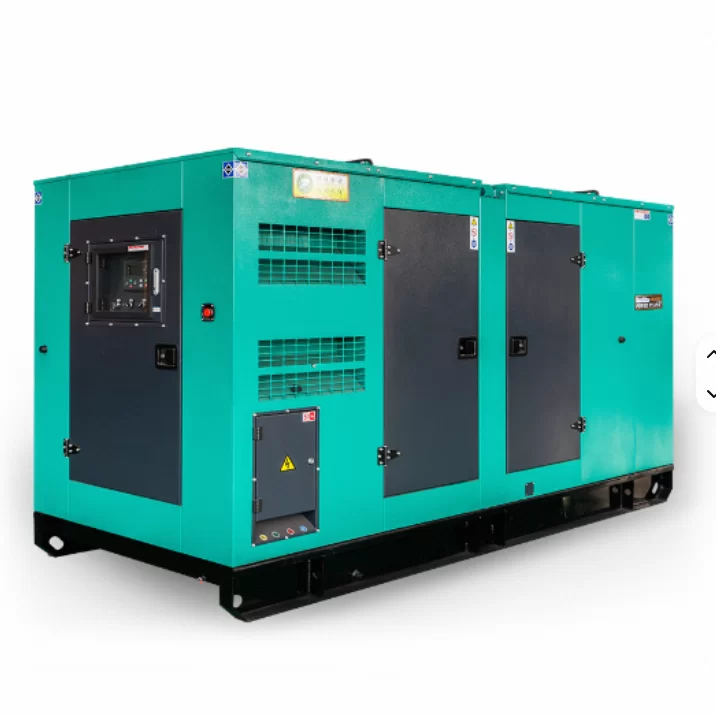
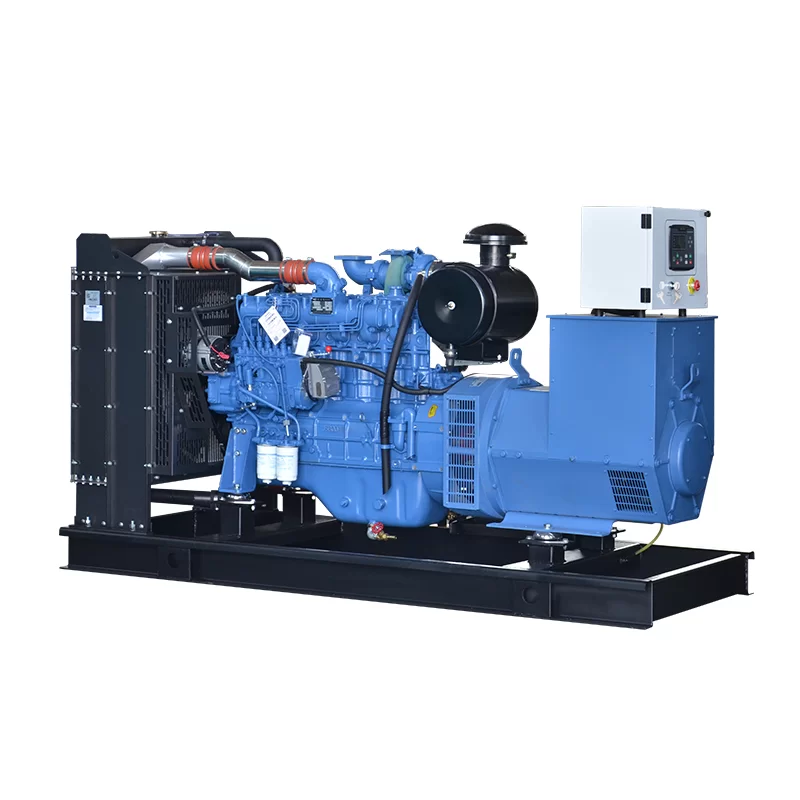
Rwanda's geography, characterized by mountainous terrain, creates unique challenges for national grid expansion. While the government has made strides in electrification, many industrial zones and remote agricultural hubs still rely heavily on a 10kva diesel generator for essential lighting and small-scale machinery operation.
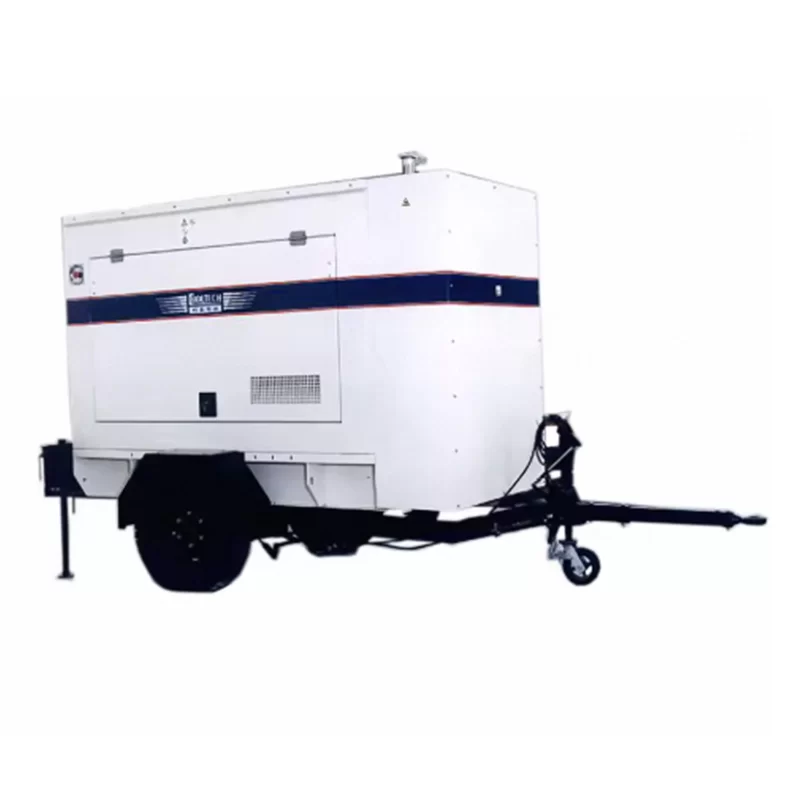
The humid subtropical climate requires electrical equipment with high corrosion resistance and advanced cooling systems. In urban centers like Kigali, the rapid growth of the service sector has increased the demand for medium-capacity units, making the 30kva generator a popular choice for commercial offices and small clinics.
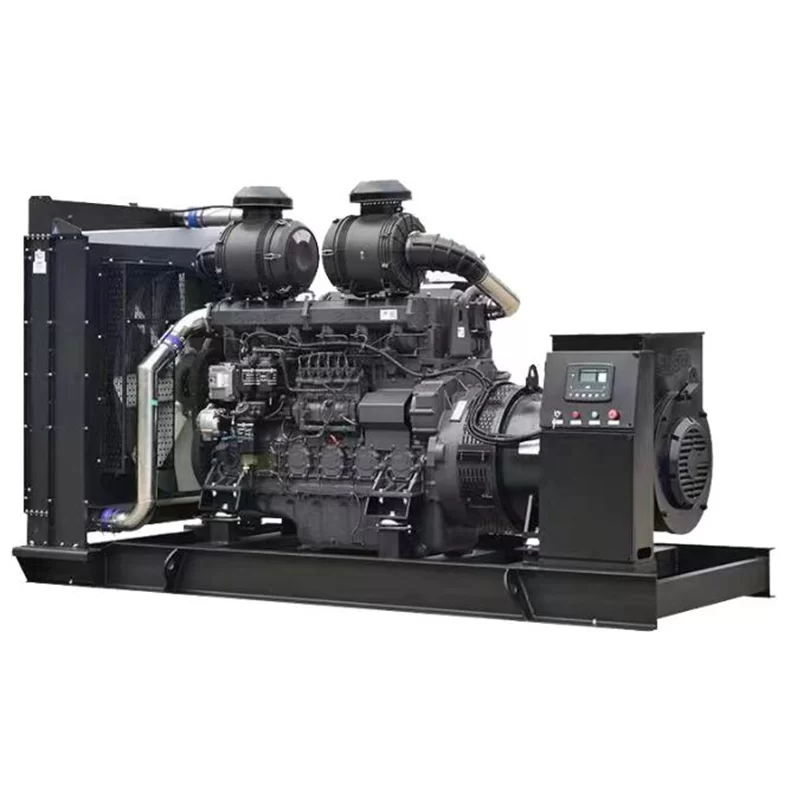
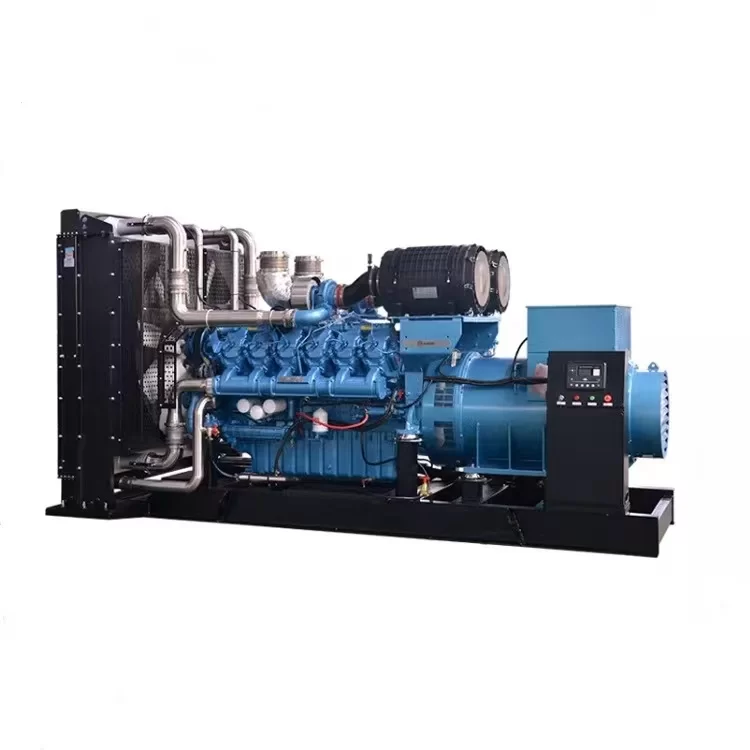
Economic shifts toward value-added manufacturing mean that Rwandan factories now require heavy-duty stability. The gap between grid availability and industrial uptime is bridged by high-capacity systems, where a 500kva generator becomes the backbone for large-scale textile or food processing plants.