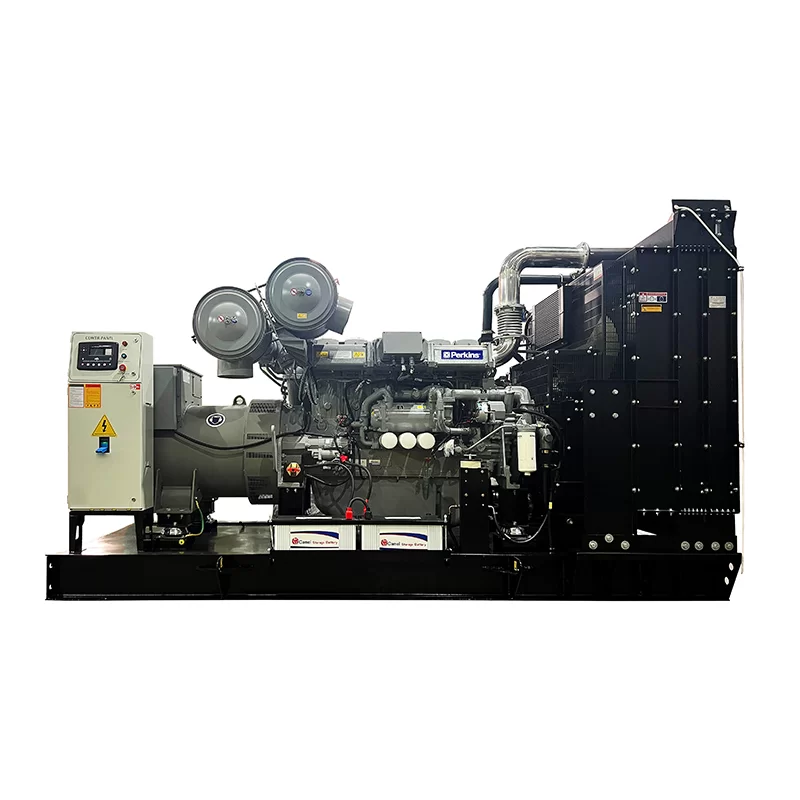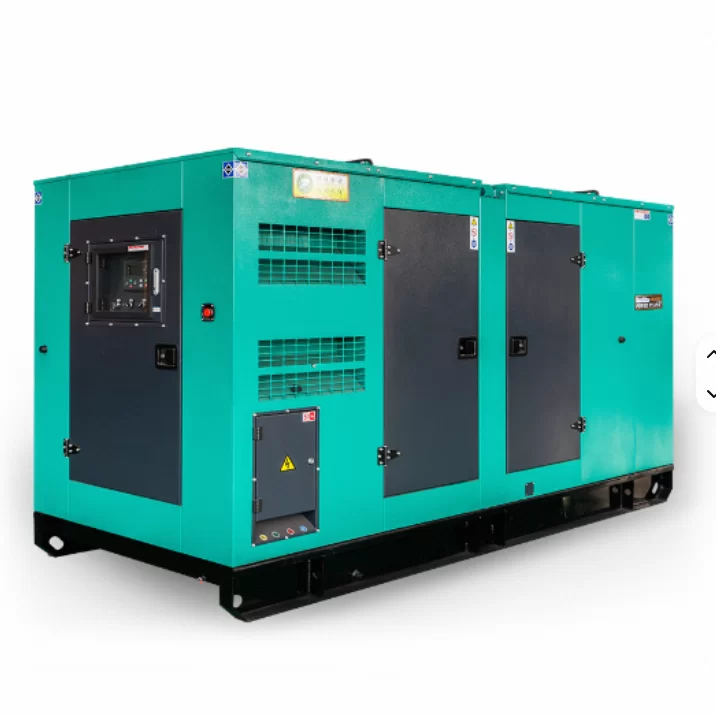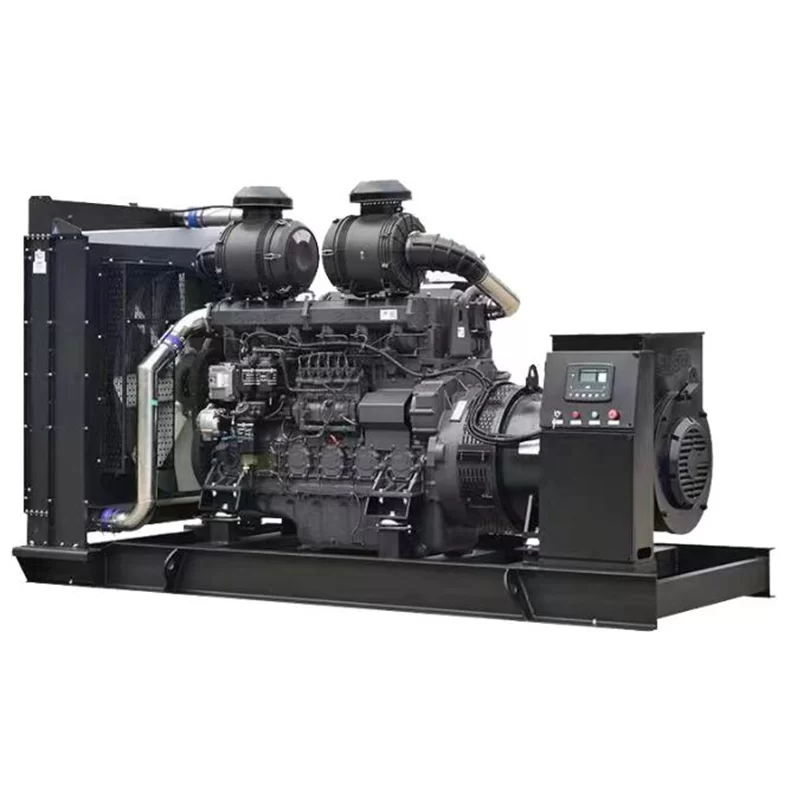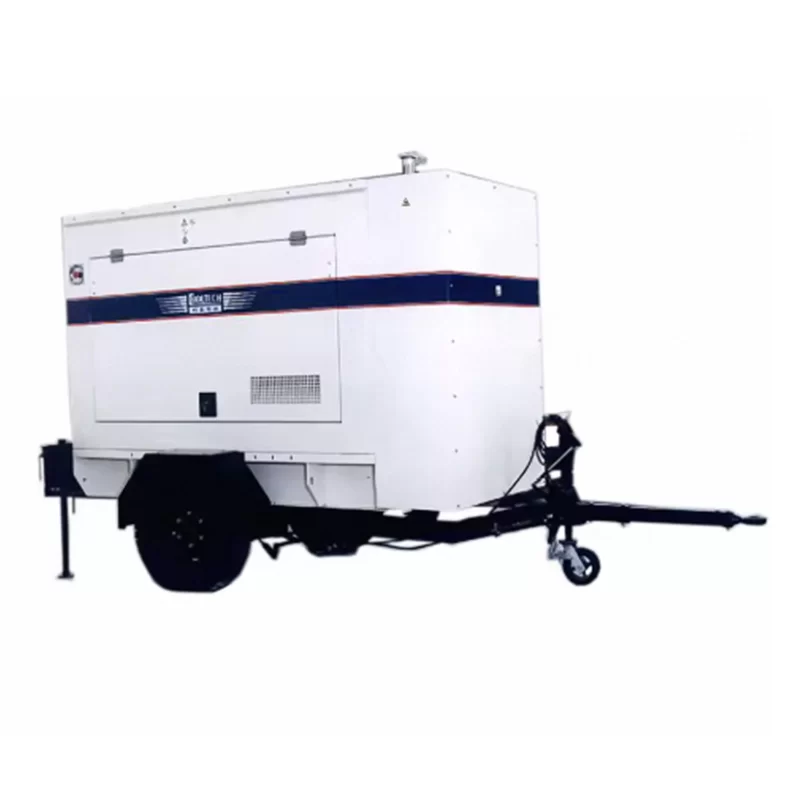
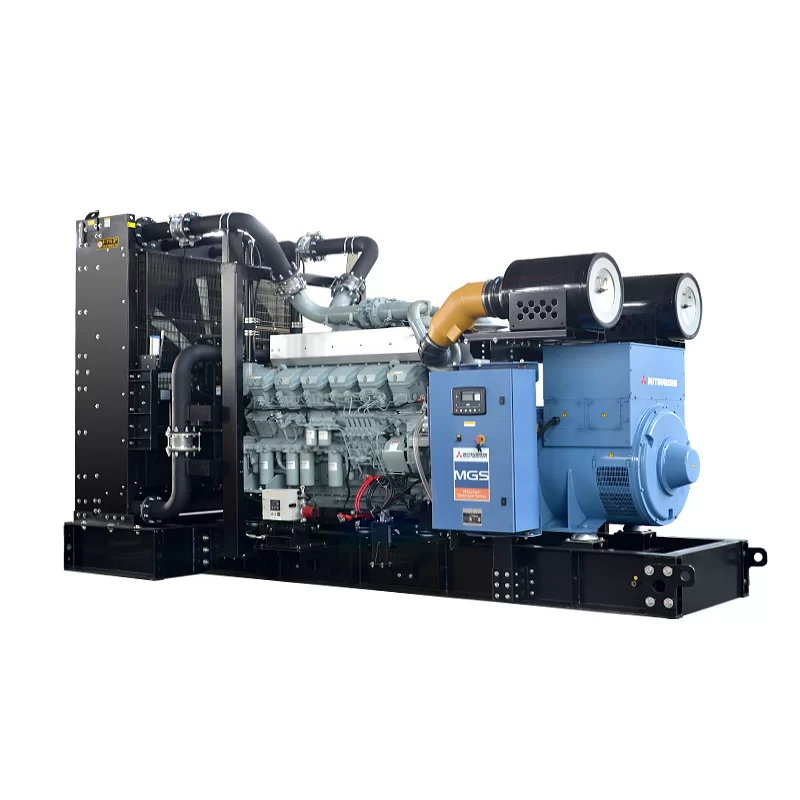
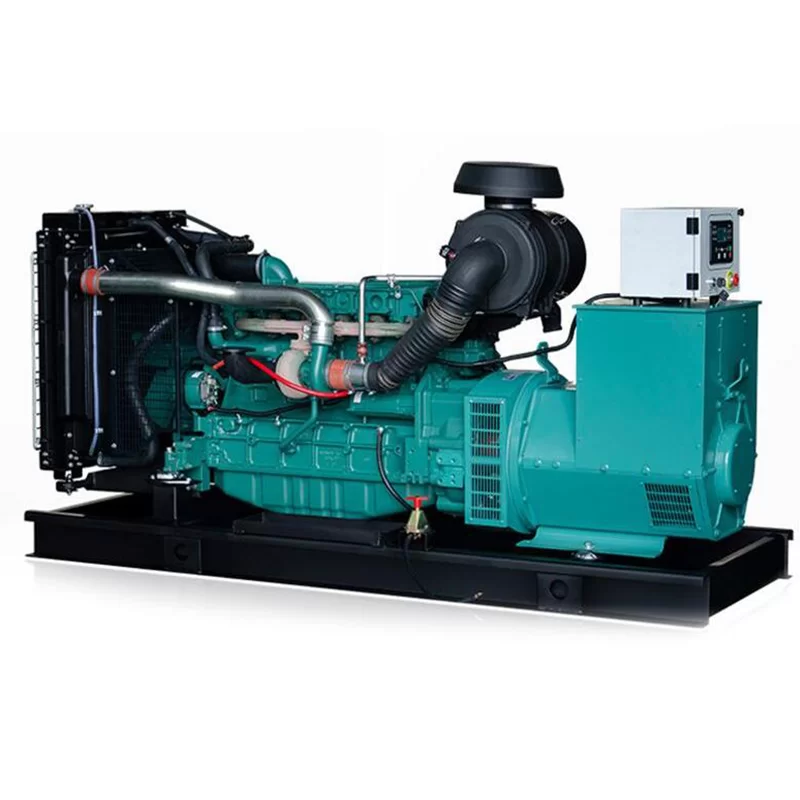
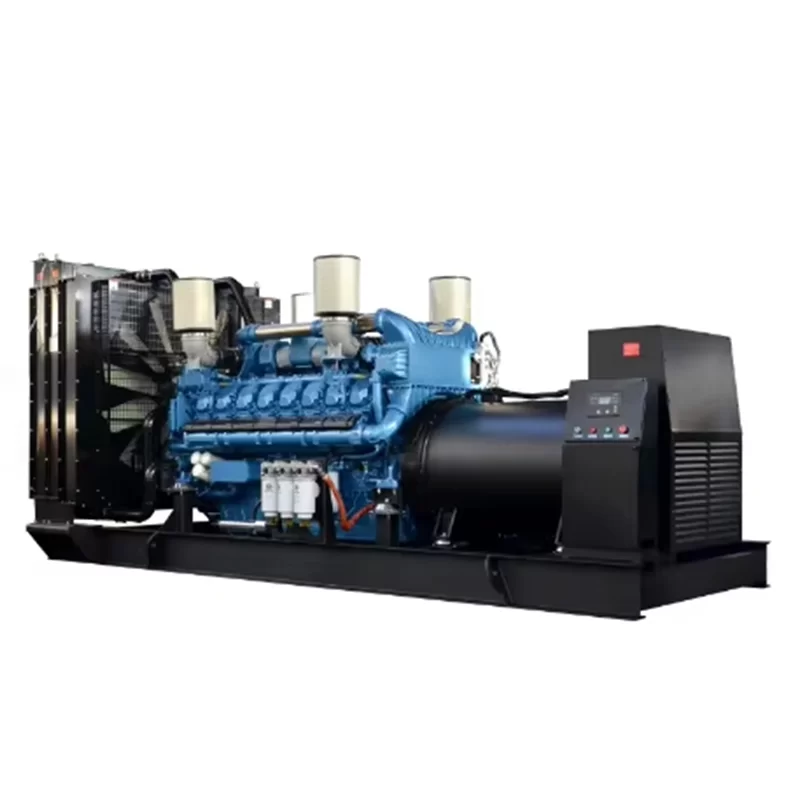
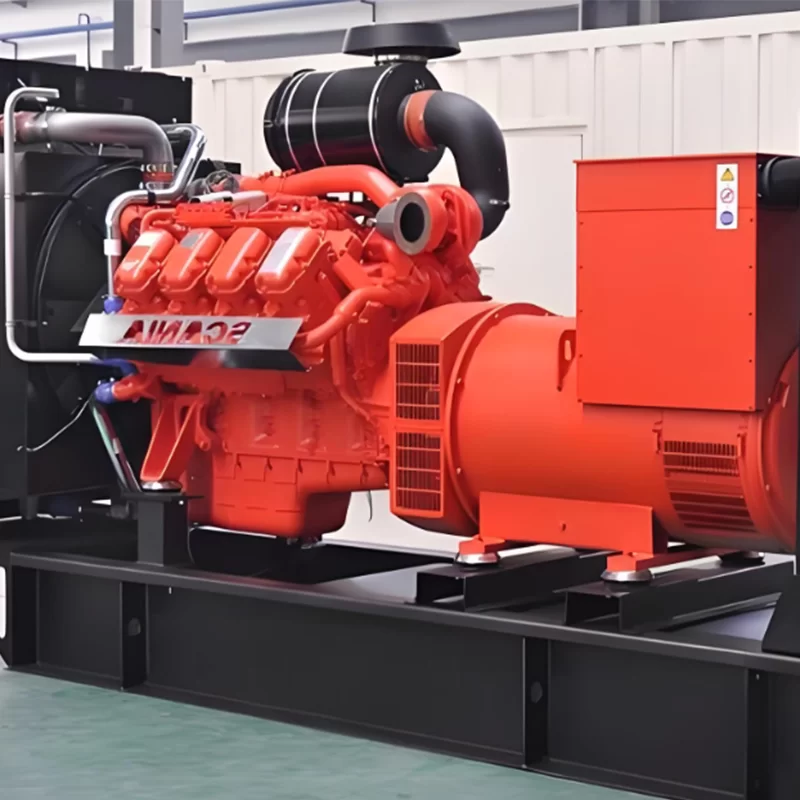
New Zealand's energy landscape is characterized by a mix of highly decentralized rural areas and concentrated urban centers. In remote regions like the South Island's highlands or the North Island's farming belts, the reliability of the main grid can be compromised by extreme weather events and seismic activity, making a 30kva generator an essential asset for operational continuity.
The local economy relies heavily on dairy farming and viticulture, where cold-chain logistics and automated milking systems cannot afford power interruptions. This has led to a surge in demand for mid-range capacity units, specifically the 50kva generator, which balances fuel efficiency with the load requirements of modern agricultural machinery.
Furthermore, New Zealand's strict environmental regulations and commitment to sustainability are pushing the industry toward generators with lower emission profiles and higher noise attenuation, ensuring that power generation does not disrupt the pristine natural environment or violate local noise ordinances.