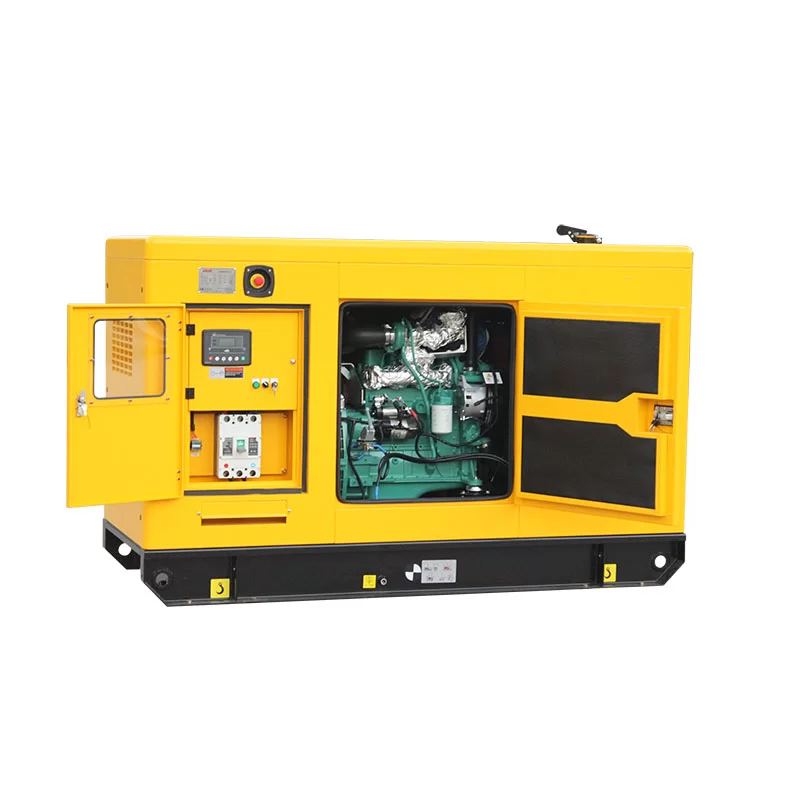
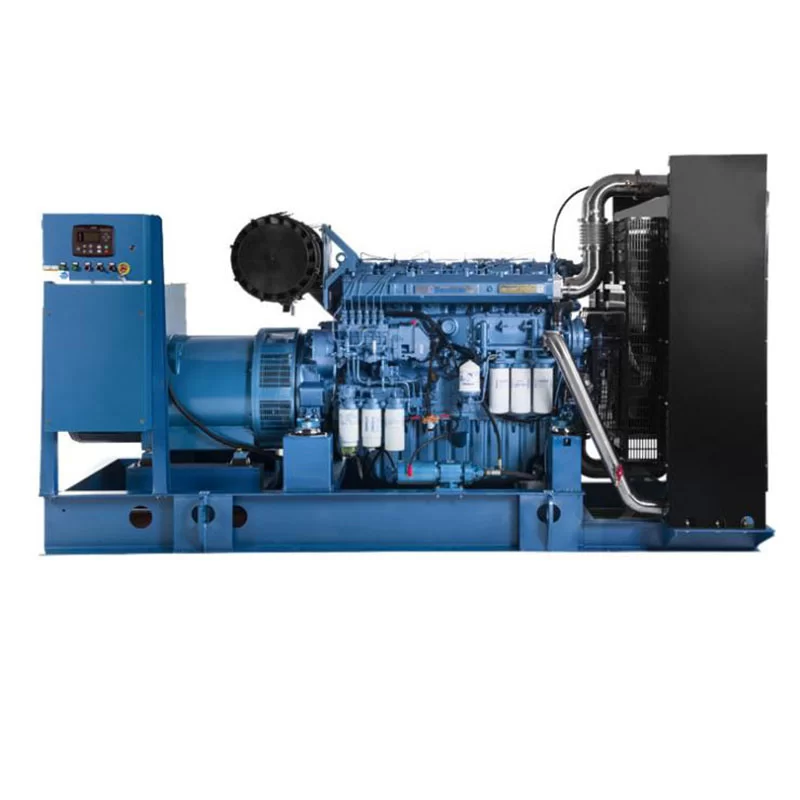
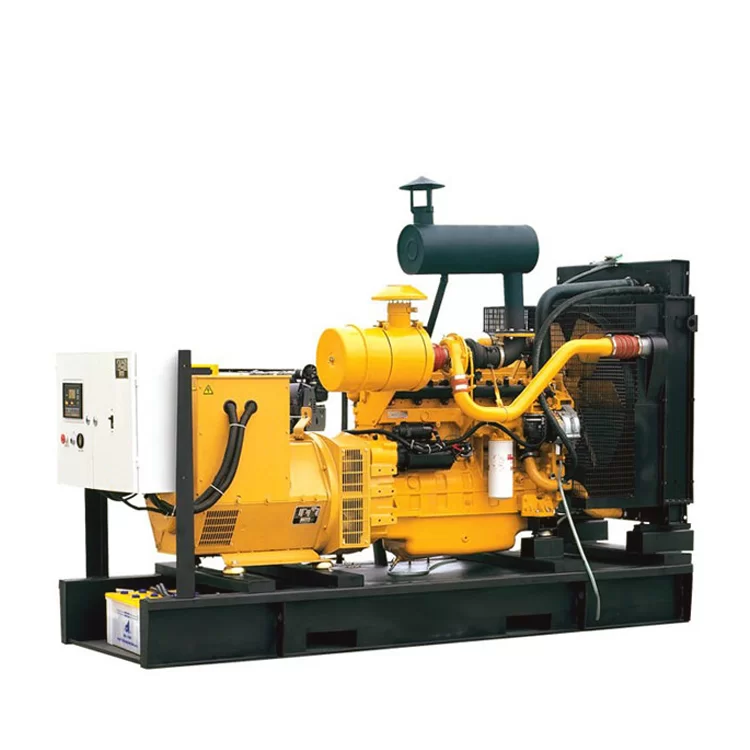
Industrial Power Solutions for Germany: High-Performance 50kva generator Series

Engineering precision and reliability for Germany's demanding manufacturing and infrastructure sectors with advanced diesel power systems.

Industrial Power Solutions for Germany: High-Performance 50kva generator Series

Providing German industries with scalable, efficient, and low-emission power generation systems designed to meet strict EU environmental standards and high operational uptime.

The Landscape of Power Generation in Germany

Analyzing the intersection of industrial demand and strict regulatory frameworks in the European power sector.

Germany's industrial core, particularly in the electrical machinery and equipment sector, demands extreme precision and stability. With the transition towards "Energiewende," the reliance on hybrid power backup has increased. For small to medium workshops, a 10kva diesel generator is often the first line of defense against voltage fluctuations.

The German market is characterized by stringent noise pollution laws and emission standards (Stage V). This has pushed the demand for sound-attenuated enclosures and advanced filtration systems in units like the 30kva generator, making silent operation a commercial necessity rather than a luxury.

Economically, the shift toward decentralized production in regions like Bavaria and Baden-Württemberg has created a surge in demand for mid-to-high capacity units. From the versatile 50kw generator for commercial sites to heavy-duty industrial plants, the focus remains on fuel efficiency and seamless integration with smart grids.
Evolution and Trajectory of German Power Systems

From traditional mechanical governors to AI-driven energy management.

Market Development History

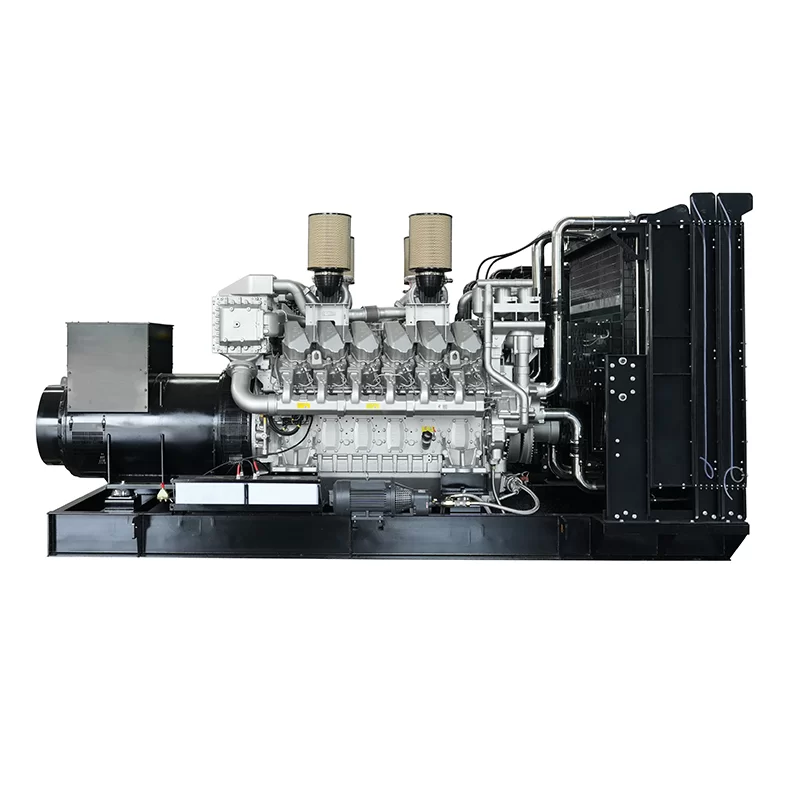
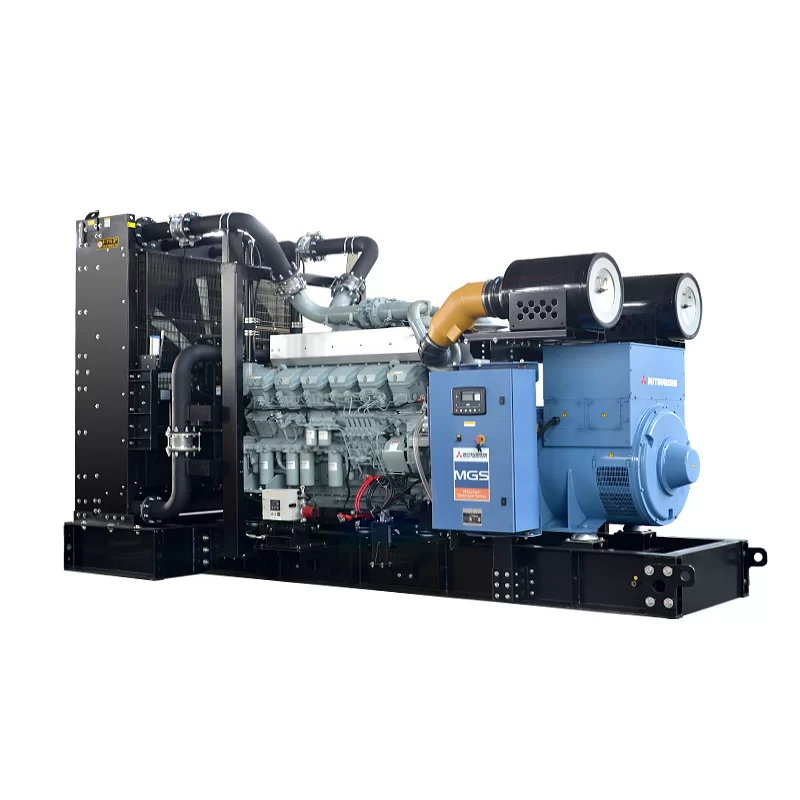
In the late 20th century, German generator sets were primarily mechanical, focusing on raw durability. The 1990s saw the introduction of Electronic Control Units (ECUs), allowing for better synchronization and load sharing in larger units like the 500kva generator.

Between 2005 and 2015, the focus shifted toward environmental compliance. The adoption of Common Rail fuel injection systems significantly reduced NOx emissions, aligning diesel power with European Green Deal precursors.

Since 2018, the trend has moved toward "Intelligent Power." Modern units now feature remote monitoring via IoT, enabling German plant managers to track fuel consumption and engine health in real-time across multiple sites.

Future Development Trends

Hydrogen-Diesel Hybridization

Integrating H2 combustion into existing diesel frames to reduce carbon footprints while maintaining the torque and reliability of traditional generators.

Digital Twin Integration

The use of virtual models to predict maintenance cycles, reducing unplanned downtime in critical manufacturing lines.

Ultra-Low Emission Stage VI+

Developing advanced SCR (Selective Catalytic Reduction) systems to meet the next generation of German air quality regulations.

Future Trends and Strategic Outlook

Predicting the next 3-5 years of power generation technology in the EU market.

Smart Grid Synergy
Seamless integration between diesel backup and renewable energy sources to optimize fuel usage.
AI-Driven Maintenance
Predictive algorithms that analyze vibration and temperature to prevent engine failure.
Carbon Capture Tech
Implementing localized carbon scrubbing for large industrial generators to meet zero-emission goals.
Modular Scalability
Rapid-deploy modular power blocks that can be expanded as the industrial facility grows.

Industry Outlook

Google search trends in Germany indicate a significant rise in queries for "Sustainable Backup Power" and "Industrial Energy Efficiency." This suggests that the market is moving away from purely diesel-based systems toward integrated energy solutions.

The future focuses on the "Energy-as-a-Service" model, where German companies will prioritize high-efficiency generators that can participate in frequency regulation for the national grid, turning a backup cost into a potential revenue stream.

Localized Application Scenarios in Germany

Practical implementations of diesel power across diverse German industrial and commercial sectors.

01. Automotive Manufacturing Plants

Ensuring zero-downtime for robotic assembly lines in Stuttgart and Wolfsburg using a 500kva generator for critical load backup.

02. Precision Tooling Workshops

Maintaining voltage stability for CNC machinery in the Black Forest region with a 30kva generator to prevent workpiece defects during power dips.

03. Commercial Data Centers

Providing instant failover power for edge computing facilities in Frankfurt, utilizing synchronized 50kw generator units.

04. Agricultural Automation

Powering automated livestock systems and greenhouses in Northern Germany using a compact 10kva diesel generator for remote reliability.

05. Medium-Scale Logistics Hubs

Supporting cold-chain storage and sorting conveyors in Hamburg's port area with a robust 50kva generator system.

Brand Story

Global Development Journey of Jiangsu Kaichen Power Equipment Co., Ltd.

Foundation of Excellence

Starting with a commitment to precision engineering, we focused on solving the core instability of industrial power grids through rigorous R&D.

Technological Breakthrough

Developed proprietary noise-reduction and fuel-efficiency technologies, enabling our units to meet strict European emission standards.

European Market Entry

Established a strong presence in Germany by partnering with local electrical engineers to localize product specifications for the EU market.

Smart Power Innovation

Launched the first series of IoT-integrated generators, allowing global clients to manage their energy assets from a single dashboard.

Sustainable Future

Currently pioneering the transition to hybrid energy systems, aiming to lead the global shift toward carbon-neutral industrial power.

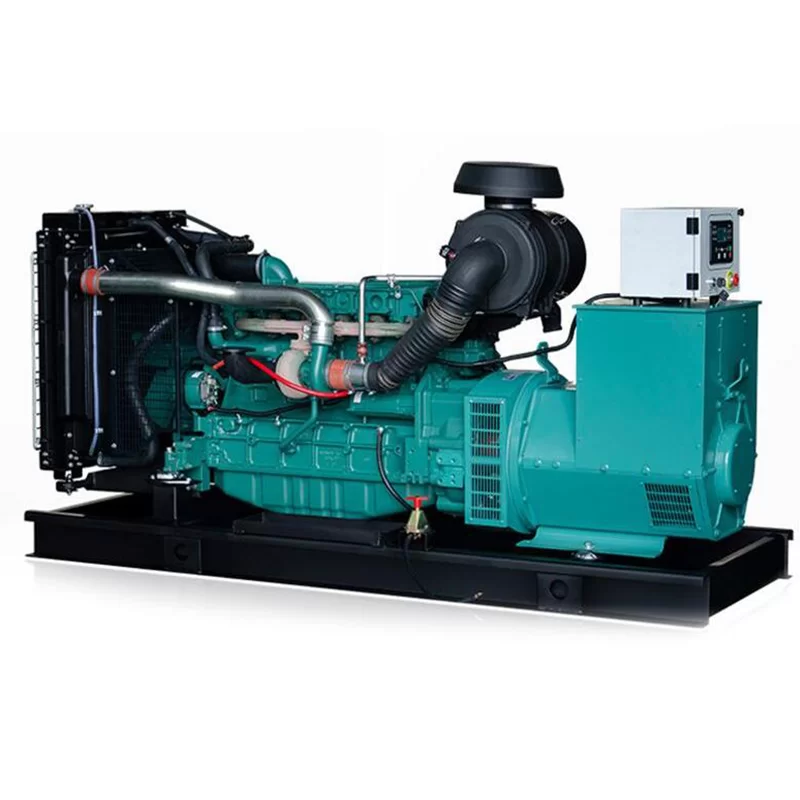
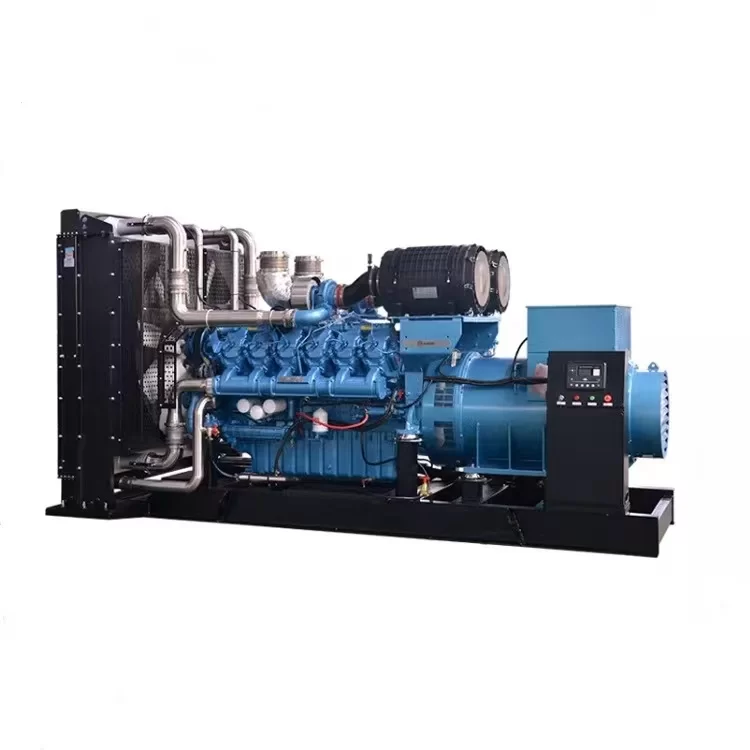
Comprehensive Power Portfolio for the German Market

A full range of diesel generators engineered for reliability, efficiency, and compliance with EU standards.

Common Questions for Power Systems in Germany

Expert answers to technical and regulatory queries regarding diesel generators.

Which 10kva diesel generator is best for small German workshops?

For small workshops, a sound-attenuated, Stage V compliant unit is recommended to meet local noise ordinances while providing stable power for basic machinery.

How does a 30kva generator handle peak loads in industrial settings?

Our 30kVA units feature automatic voltage regulators (AVR) that manage transient loads, ensuring that sensitive electronics are protected during engine ramp-up.

What are the maintenance requirements for a 50kw generator in Germany?

Regular oil changes every 250-500 hours and annual coolant checks are essential. We recommend using AI-monitoring to track wear in real-time.

Is a 50kva generator suitable for commercial backup in urban areas?

Yes, provided it is equipped with a high-performance residential-grade silencer and complies with Germany's TA Lärm noise regulations.

Can a 500kva generator be integrated into a hybrid solar system?

Absolutely. Using a synchronized control panel, the generator can act as a peak-shaver or a backup when solar output drops below the required threshold.

What certifications are required for diesel generators in the EU?

CE certification is mandatory, along with compliance with the EU Stage V emission standards for all non-road mobile machinery.

Ready to Optimize Your Power Infrastructure?

Our engineering team is ready to provide customized power audits and solutions for your business in Germany.

Contact Us Now

If you are interested in our products, you can choose to leave your information here, and we will be in touch with you shortly.